Palliative Care At Home — What Families Should Know
Keeping comfort and dignity in the final stage, and how a family can prepare for it.
10 June 2026 · 2 min read
What Palliative Care Means
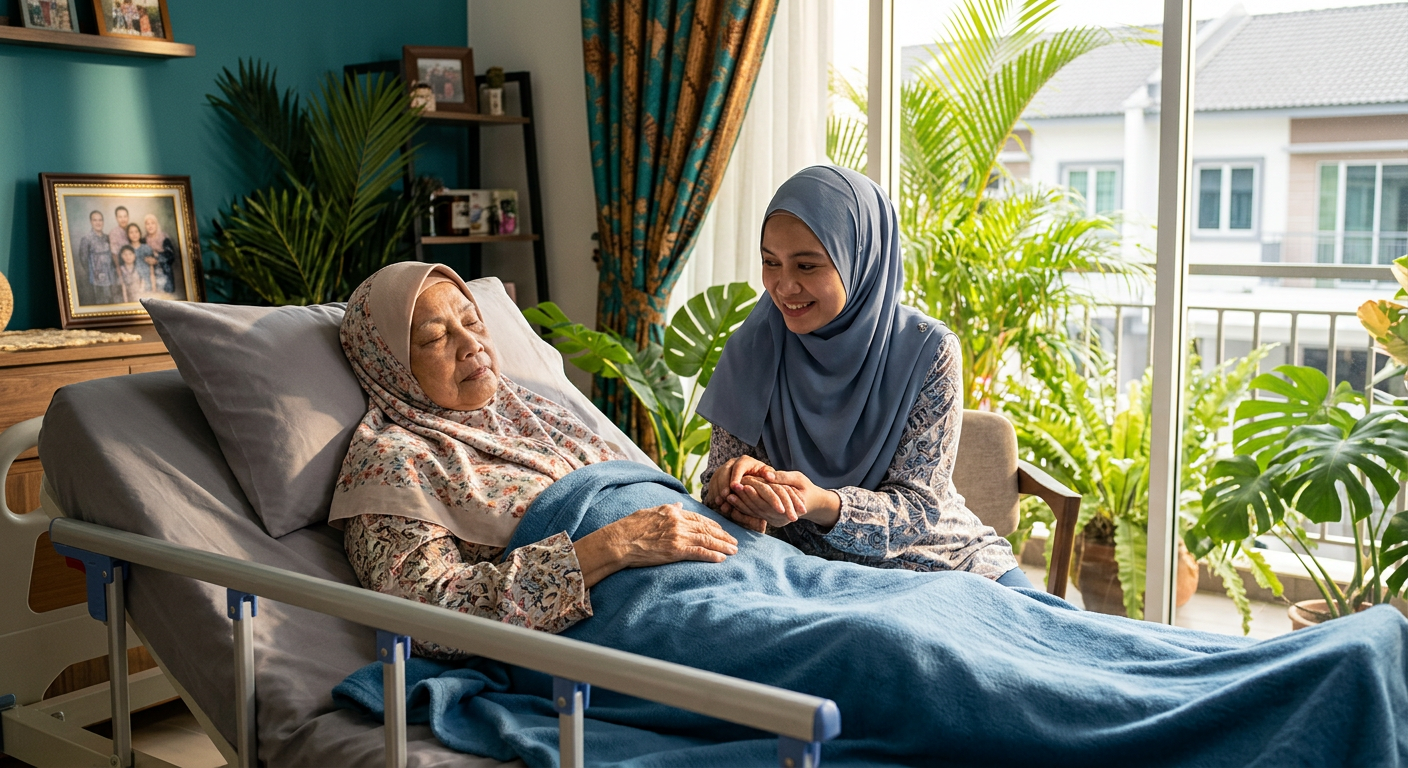
Palliative care focuses on comfort rather than cure. The goal is to reduce pain and let someone spend their time peacefully with family.
Many families choose to do this at home. Familiar surroundings, home cooking, and grandchildren nearby bring a calm a hospital ward cannot.
Managing Day-To-Day Comfort
Comfort comes from small things done consistently, not from expensive equipment.
- Change position gently, guided by comfort rather than a strict schedule
- Moisten the lips and mouth often if drinking is difficult
- Keep the room quiet, dim and not too cold
- Let the patient eat small amounts by appetite, never forced
- Play familiar recitation or calming music if that is their habit
A bed whose head section raises helps a breathless patient breathe more easily, without constantly rebuilding a pile of pillows.
Look After The Carer Too
An exhausted carer cannot give good care. This is not selfishness — it is a practical requirement.
- Share shifts between family members, even a few hours each
- Sleep when the patient sleeps, especially during the day
- Accept help when neighbours and relatives offer it
- Talk to someone about how you feel, not only about tasks
The right equipment cuts the physical load considerably. See our safe transfer techniques to protect your back.
The Equipment That Helps Most
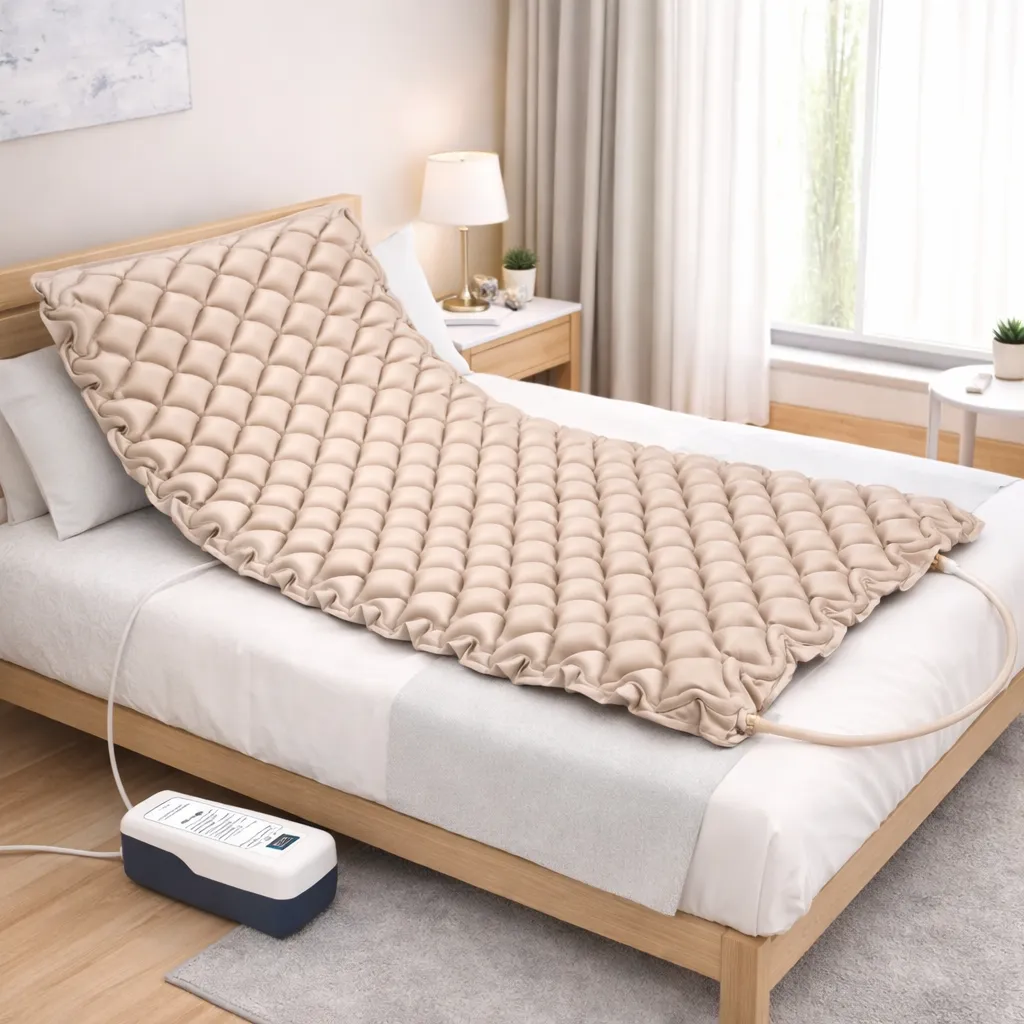
- A hospital bed with head and height adjustment
- An anti-bedsore mattress to reduce pressure pain
- An oxygen concentrator if the patient is breathless
- A bedside commode to avoid trips to the bathroom
Renting usually suits this situation better because the duration is hard to predict. See the options on our products page, or read the rent versus buy comparison.
For oxygen needs, see our home oxygen concentrator guide.
We deliver hospital beds nationwide, including Johor Bahru, Melaka and Ipoh.